SOCIAL NETWORKS
Contacts

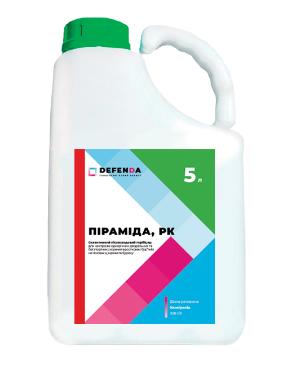
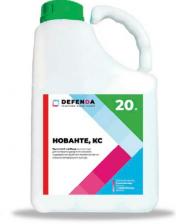
HERBICide DEFENDA PYRAMID

PYRAMID
5l
Submit a request
for corn
PYRAMID Ρ„ΠΎΡ‚ΠΎ 1 DefendaPYRAMID Ρ„ΠΎΡ‚ΠΎ 2 Defenda
sugar beet
PYRAMID Ρ„ΠΎΡ‚ΠΎ 3 DefendaPYRAMID Ρ„ΠΎΡ‚ΠΎ 4 Defenda
for
wheat
PYRAMID Ρ„ΠΎΡ‚ΠΎ 5 DefendaPYRAMID Ρ„ΠΎΡ‚ΠΎ 6 Defenda
for rapeseed
PYRAMID Ρ„ΠΎΡ‚ΠΎ 7 DefendaPYRAMID Ρ„ΠΎΡ‚ΠΎ 8 Defenda

A selective systemic herbicide for controlling annual and perennial root-sprouting broadleaf weeds

Advantages

  • Destroys both the above-ground part and the root system of weeds.
  • Wide range of application.
  • Destroys problem weeds: sow thistle, chamomile, knotweed (species), common cocklebur, nightshade and others.

Characteristics

Active ingredient content
clopyralid, 300 g/l
Chemical group
pyridinecarboxylic acid derivatives
Formulation
aqueous solution
WHO classification
Class III (moderately toxic)

Recommendations for use

Application features
The optimal result and the fastest herbicidal action of the product are achieved by applying it to the leaves of young weeds in the active growth phase. The most favourable period for using the product: temperature from 10Β°C to 25Β°C.
Working solution consumption rate
200-300 l/ha
Working solution pH requirements
from 4 to 8
Compatibility
Can be used in tank mixes
Application precautions
Do not mix with fungicides and growth regulators that have a retardant effect, or with organophosphorus insecticides.

Mechanism of action

Clopyralid enters the plant through the above-ground part and partly from moist soil through the root system. Clopyralid is a synthetic form of natural plant hormones that replace the plants' natural hormones, blocking their functions. Oversaturation with synthetic hormones disrupts growth processes and kills the plants. Clopyralid is absorbed by leaves and roots, transported through the plant and accumulates in meristematic tissues, suppressing cell respiration and growth. It destroys both the above-ground and root systems of weeds.

Application rates and terms

Crop, object treated
Spectrum of action
Application stage
Application rates, l/ha
Maximum number of treatments
Crop, object treated
Sugar beet
Spectrum of action
Annual and perennial root-sprouting broadleaf weeds
Application stage
Spraying crops at the 1-3 true leaf pair stage of the crop
Application rates, l/ha
0,3-0,5
Maximum number of treatments
1
Crop, object treated
Corn
Spectrum of action
Annual broadleaf, incl. those resistant to 2,4-D, and perennial root-sprouting weeds
Application stage
Spraying the crop at the 3–5 leaf stage
Application rates, l/ha
0,3-1,0
Maximum number of treatments
1
Crop, object treated
Rapeseed
Spectrum of action
Annual and perennial broadleaf weeds, perennial root-sprouting weeds
Application stage
Spraying crops at the 6–8 leaf stage of annual weeds, at the rosette stage - the start of generative shoot formation 2–8 cm (against sow thistles)
Application rates, l/ha
0,3-0,5
Maximum number of treatments
1
Crop, object treated
Wheat
Spectrum of action
Annual broadleaf, incl. those resistant to 2,4-D, and perennial root-sprouting weeds
Application stage
Spraying from the tillering stage to the crop's stem elongation
Application rates, l/ha
0,3-0,5
Maximum number of treatments
1


Reviews

Максим

ΠžΡ†Ρ–Π½ΠΊΠ° 5 Π· 5

12.11.2024 10:08

ΠžΠ±ΠΏΡ€ΠΈΡΠΊΡƒΠ²Π°Π»ΠΈ посіви Ρ€Ρ–ΠΏΠ°ΠΊΡƒ, Π·Π½ΠΈΡ‰ΠΈΠ² бурян, Π½Π°Ρ‡Π΅ Ρ– Π½Π΅ Π±ΡƒΠ»ΠΎ ΠΉΠΎΠ³ΠΎ

Related products