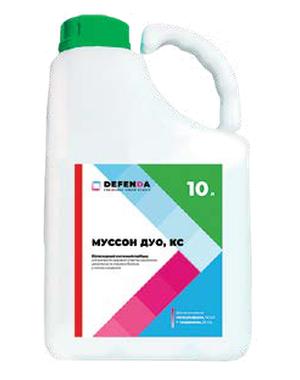
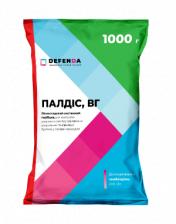
A post-emergence systemic herbicide against annual broadleaf and grass weeds in corn crops
Advantages
The combination of two active ingredients with different modes of action (ALS and HPPD inhibition) provides a broad spectrum of control of both grass and broadleaf weeds in a single treatment.
Effective control of overgrown and hard-to-control weeds thanks to topramezone.
The dual mode of action reduces the risk of weeds developing resistance to herbicides.
Wide application window — from the 2- to the 8-leaf stage of corn.
Spraying of corn crops from the 2- to the 8-leaf stage of the crop inclusive. Treatment is carried out in the morning (before 10:00) or in the evening (18:00–22:00), at an air temperature not exceeding +25 °C and a wind speed not exceeding 3 m/s (fine-droplet spraying) or 4 m/s (coarse-droplet spraying).
Compatibility
Compatible with other products in tank mixes; a miscibility test is recommended before use.
Working solution pH requirements
from 5 to 9
Application precautions
Do not allow the product to enter water bodies; observe application restrictions in water protection zones.
Working solution consumption rate
200–300 l/ha
Mechanism of action
Nicosulfuron inhibits the enzyme acetolactate synthase (ALS), blocking amino acid synthesis in weed cells. Topramezone inhibits the enzyme hydroxyphenylpyruvate dioxygenase (HPPD), disrupting pigment synthesis and photosynthesis. The combination of the two modes of action causes bleaching, growth arrest and rapid death of weeds within a few days after treatment.
Application rates and terms
Crop, object treated
Spectrum of action
Application
stage
Application rates, l/ha
Maximum number of treatments
Crop, object treated
Corn
Spectrum of action
Annual broadleaf and grass weeds
Application stage
Spraying from the 2- to the 8-leaf stage of the crop inclusive
Application rates, l/ha
0.7–1.0
Maximum number of treatments
1
After application of the product, cereals, corn, sorghum, rapeseed, sunflower and potatoes can be sown without phytotoxicity. At pH above 7, phytotoxicity may occur in soybean and pea crops. High efficacy in No-till and Strip-till farming systems.
This website uses cookies to ensure basic functionality, analytics, and marketing.
By clicking "Accept All", you agree to the use of all cookie types.
Learn more in our Cookie Policy.
Cookie Settings
Choose which cookie types to allow. Your choice is saved for 12 months and you can change it anytime via the link in the footer.
✓ Essential
Required for basic site functionality, security (CSRF), and session preservation. The site cannot function without them. Does not require consent.
⚙️ Functional
Remembers your preferences, such as language and modal window display. Does not share data with third parties.
📊 Analytics
Google Analytics 4, Microsoft Clarity. Helps us understand how you interact with the site to improve it. Data is anonymized.
🎯 Marketing
Facebook Pixel. Used to deliver relevant advertising and analyze its effectiveness. Shared with Meta Platforms.